

 EN
EN 

















A brand shortlist is useful only when “first” means first to evaluate, not an unsupported declaration of superiority. Safety lancets serve different sample requirements and workflows, so a defensible order begins with the brands that disclose relevant configurations, provide usable documentation, and can support the intended market and volume.
We then move the comparison from essential fit to operational detail. Activation style, gauge, puncture depth, grip, status cues, labeling, packaging density, quality systems, and customization capability all help determine whether a product deserves testing. Brand recognition without this evidence leaves too many practical questions unanswered.
Set Pass-or-Fail Requirements Before Ranking
Non-negotiable conditions define the initial screen. Intended use, required sample volume, user population, collection site, destination market, and package format define whether a model belongs on the list at all. A product that misses one critical condition cannot recover simply by scoring well on less important features.
When comparing single-use safety lancets, buyers can build a specification matrix with separate fields for gauge, fixed or adjustable depth, activation method, handling features, product code, inner-box count, outer-carton count, and traceability information. This makes gaps visible and keeps different product architectures from being compared through vague impressions.
The matrix also prevents ranking from becoming a substitute for verification. Published information may support an initial screen, but representative samples, current documentation, and a confirmed quotation are needed before approval. Clinical or institutional procedures and the product's instructions should guide how the device is used.
A weighted matrix preserves the difference between pass-or-fail evidence and preferences that merely separate qualified candidates. Intended-use fit and required market documentation may be pass-or-fail items, while grip preference or carton density may help distinguish candidates that already qualify. A visible weighting method keeps the ranking connected to the project instead of rewarding the longest feature list.
Activation and Adjustment Define Different Users
Pressure-activated devices combine skin contact and triggering in one movement. Rear-button or side-button products separate placement from activation. One-handed designs, non-slip bodies, grip pads, and status indicators can change handling, yet their significance becomes clear only when tested in the intended environment.
Adjustable single-use safety lancets may cover several puncture-depth needs within one product design. That flexibility can be helpful where protocols legitimately require different settings, but it also adds a selection step. Fixed-depth devices may be easier to standardize when one approved configuration already meets the procedure.
Gauge and depth should remain paired throughout the comparison record. A finer gauge does not by itself establish sample adequacy, and a deeper setting does not automatically make a device suitable. The needed volume, skin characteristics, technique, and stated intended use all influence the configuration that proceeds to evaluation.
Unintended movement of an adjustable setting during preparation is a separate control question. Where adjustment is needed, the control and selected position should be understandable within the stated instructions. Where it is not needed, a fixed configuration may reduce variation. The correct choice follows the approved workflow, not a general belief that more options are always better.
Packaging and Traceability Separate Close Candidates
Once technical fit is established, logistics can reorder the shortlist. A box of 50 and a box of 100 can create different storage, handling, and replenishment patterns. Carton density also affects receiving, warehouse space, distribution, and the way product codes are separated across locations.
For single-use safety lancets, lot and expiration information supports traceability through inventory and use. Device-level printing may retain key information after outer packaging is removed, while package labels still need accurate model, gauge, depth, quantity, and market markings. Buyers can request artwork and sample approval before customized production.
Pack structures establish an initial benchmark in the SteriLance examples relevant here: we provide multiple standard pack structures across our range. Press, Press Plus, Lite3, Lite4, Elite Pro, and Flex3 are listed at 100 pieces per box; Elite is listed at 50 pieces per box; ImPress is listed at 100 pieces per box and 2,000 pieces per carton.
Use a Verified Portfolio as the First Benchmark
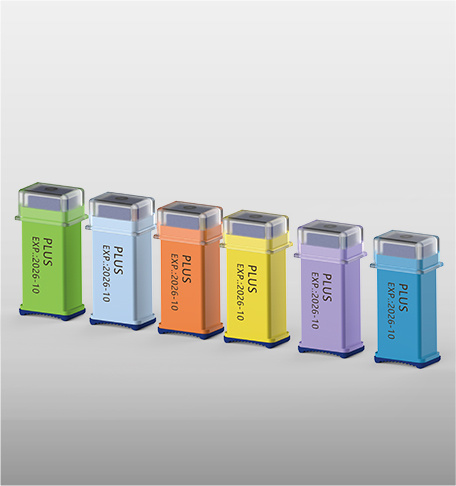
The product set we develop at SteriLance includes pressure-activated, button-activated, and adjustable-depth options. Press uses one-step pressure activation and a non-slip square body in 30G, 28G, and 26G at 1.8 mm. Press Plus adds one-handed use and lot and expiration printing on the shell with the same listed gauges and depth.
ImPress lists 30G at 1.5 mm and 28G or 26G at 1.8 mm. Elite uses a rear-button trigger, twin springs, and a status indicator. Elite Pro adds T-shaped grip pads and selectable depths of 1.3, 1.8, or 2.3 mm in 28G, 26G, and 23G, while Flex3 provides the same three depths.
These published differences establish a starting reference; they do not make the portfolio an automatic winner. Brands should be considered first when they let buyers compare single-use safety lancets through exact configurations, handling, packaging, and quality evidence. The purchasing decision belongs to the supplier and model that pass the stated requirements and verification process for the intended application.
We would advance any supplier only after the commercial description and evaluated device are reconciled. Model name, gauge, depth, trigger, package count, labeling, and documentation must remain aligned through the quotation and sample-approval process. This discipline lets a shortlist move from an online comparison to a controlled purchasing decision without relying on reputation alone.
Disclaimer: This content is provided for general health education and informational purposes only. It does not constitute medical advice, diagnosis, or treatment. Individual health conditions vary, and no health education article can replace a face-to-face consultation with a qualified healthcare professional or licensed medical institution. If you have specific health concerns or feel unwell, please seek care from a licensed medical facility and do not delay treatment because of content on this platform.