

 EN
EN 

















Capillary Sampling Basics
Capillary blood sampling is a common procedure used in healthcare settings and home monitoring situations, especially for blood glucose testing. During this process, users may notice that healthcare professionals sometimes wipe away the first drop of blood before collecting a sample. This practice often raises questions about why the first drop is removed and whether it affects testing accuracy. Understanding the reason behind this step can help users better understand capillary sampling procedures and the role of proper preparation.
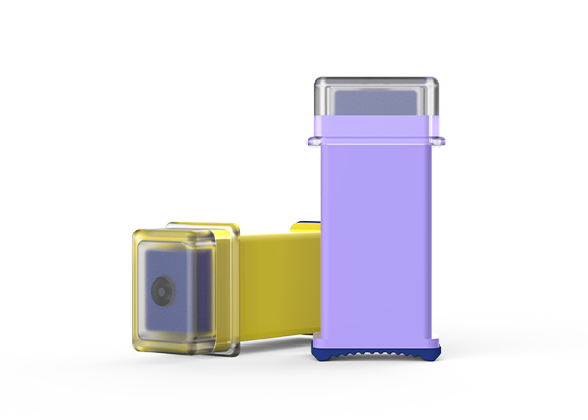
At SteriLance, we provide professional medical device solutions designed to support safer blood sampling practices, including products developed for capillary blood collection procedures. We focus on helping healthcare professionals, distributors, and users understand the correct application of sampling devices and improve daily testing workflows. Explore our safety lancet solutions and contact us to discover how our products can support reliable healthcare practices.
Medical Lancets and the Purpose of the First Blood Drop
The first drop of blood obtained after a skin puncture is sometimes removed before sample collection because it may not always represent the ideal sample condition. During capillary sampling, the skin surface may contain small amounts of external substances, such as residue from the surrounding environment or materials from skin preparation.
For this reason, some testing procedures may recommend wiping away the first drop before collecting the sample used for analysis. This helps create a more controlled sampling process and supports the goal of obtaining a suitable blood specimen.
The use of medical lancets plays an important role in creating a consistent puncture process. These devices are designed to help obtain a small capillary blood sample while supporting safe handling during the procedure.
Why Proper Capillary Sampling Technique Matters
Capillary blood sampling depends on several factors, including preparation, puncture technique, and sample collection method. Even though the procedure may appear simple, following appropriate steps can help improve the overall quality of the sampling process.
Before using a blood sampling device, users should ensure that the sampling area is prepared according to recommended procedures. Clean handling practices and correct device usage help create a more consistent experience.
At SteriLance, we understand that reliable sampling depends not only on device design but also on proper operation. A well-designed safety lancet can support healthcare workers and individuals by providing a controlled approach to obtaining capillary blood samples.
How Medical Lancets Support Safe Blood Collection
Safety-focused blood sampling devices are designed with features that help reduce risks during and after use. Modern medical lancets are developed to support easier handling while helping protect users and healthcare professionals from unnecessary exposure to sharp components.
Different applications may require different device designs. Healthcare facilities may use sampling devices for various patient groups and testing environments, while home users may need products that are simple and convenient to operate.
The purpose of these devices is not only to create a skin puncture but also to support a safer overall workflow. Proper selection and handling of sampling equipment are important parts of maintaining good healthcare practices.
Does Removing the First Drop Always Apply?
Whether the first drop should be wiped away depends on the specific testing method, device instructions, and healthcare guidance being followed. Different testing systems and procedures may have their own recommended approaches for sample collection.
Users should always follow the instructions provided with their testing equipment and seek guidance from healthcare professionals when they have questions. The purpose of removing the first drop is related to improving sample collection conditions, not because every blood sample requires the same procedure.
Understanding this step can help reduce confusion during capillary sampling. It also highlights why following established procedures is important when using blood collection devices.
Factors That Influence Capillary Blood Sampling Quality
Several practical factors can influence the quality of a capillary blood sample. These include proper preparation of the sampling site, appropriate use of the device, and careful handling of the collected sample.
Using suitable medical lancets can support a more controlled puncture process. However, device selection is only one part of successful sampling. Correct technique and following recommended procedures remain essential.
Healthcare providers often educate patients and caregivers about these steps because consistent habits can improve the overall testing experience. Clear instructions help users understand why specific actions, such as wiping away the first drop in certain situations, may be recommended.
Choosing Reliable Blood Sampling Solutions
When selecting blood sampling devices, healthcare organizations should consider factors such as device design, usability, and suitability for their intended application. Products should support safe handling while meeting the practical requirements of healthcare environments.
We at SteriLance develop medical device solutions with a focus on supporting healthcare needs through reliable product design and practical applications. By helping users understand sampling procedures, we aim to contribute to safer and more effective healthcare practices.
For individuals performing capillary blood sampling, understanding the purpose behind each step can make the process easier to follow. Proper preparation, correct device use, and attention to recommended procedures all contribute to better sampling experiences.
Conclusion: Understanding the First Drop in Capillary Sampling
The first drop of blood is sometimes wiped away during capillary sampling because it may not always provide the preferred sample condition for testing procedures. Removing it can be part of a recommended approach for obtaining a more suitable blood sample, depending on the specific testing requirements.
Capillary sampling involves more than simply creating a small puncture. It requires appropriate equipment, careful handling, and correct technique. Safety lancets and related sampling devices are designed to support this process while helping users perform blood collection more safely.
At SteriLance, we continue to focus on developing medical device solutions that support healthcare professionals and individuals with practical, safety-oriented designs. Understanding capillary sampling basics helps users make informed decisions and follow better testing practices.
Disclaimer: This content is provided for general health education and informational purposes only. It does not constitute medical advice, diagnosis, or treatment. Individual health conditions vary, and no health education article can replace a face-to-face consultation with a qualified healthcare professional or licensed medical institution. If you have specific health concerns or feel unwell, please seek care from a licensed medical facility and do not delay treatment because of content on this platform.