

 EN
EN 

















Choosing between safety and standard lancets is a question about where the mechanism should reside. A safety model contains its own activation system and specified puncture characteristics. A standard disposable lancet depends on a reusable lancing device for launch and depth adjustment. That architectural difference creates the main decision threshold.
The threshold is evaluated through conditions on both sides, while safety remains a defined control concept rather than a universal ranking term. Workflow standardization, reusable-equipment management, depth flexibility, compatible gauge range, packaging, staff handling, and local protocol all influence whether a self-contained or two-part approach is more suitable.
Choose the Self-Contained Route for a Defined Sequence
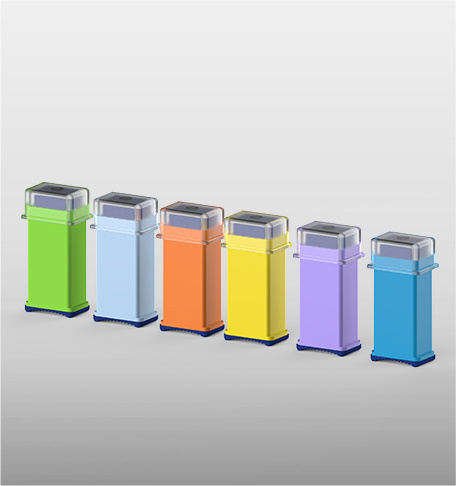
A self-contained device can combine preparation, placement, activation, and a specified gauge-depth configuration in one disposable unit. A safety lancet architecture may fit a workflow that values a single product identity and does not want depth control to depend on a separately managed reusable lancing device.
Trigger architecture still changes the sequence. Pressure activation links skin contact and activation, while rear- or side-button models separate placement from the trigger action. Adjustable safety products add a setting step. We choose among these formats by matching the actual protocol, not by grouping every self-contained device together.
Predefined puncture characteristics can support standardization where one approved configuration meets the sampling need. Adjustable depth can serve legitimate variation but requires the selected position to remain clear. The decision record identifies who sets the configuration, how it is recognized, and which instructions govern use.
A one-piece product can also simplify specification control when each code carries a defined trigger, gauge, and depth. Accurate labeling and disciplined stocking determine whether that advantage is realized. We verify that the evaluated sample, quotation, carton, and instructions all describe the same version before treating self-containment as an operational benefit.
Keep the Standard Route When the Reusable Platform Fits
A standard disposable lancet becomes part of a two-component system. The reusable lancing device provides the launch mechanism and, where applicable, depth settings, while the disposable lancet is specified in the listed gauge. This arrangement can suit programs that already manage compatible holders and want adjustment located in that device.
Choosing a standard lancet instead of a safety lancet also changes inventory. Reusable units and disposable boxes have different replacement cycles, product codes, and storage needs. Compatibility must stay visible so an apparently similar consumable is not loaded into a lancing device without manufacturer support.
A multi-position holder offers flexibility, but the number of settings is not an instruction for individual care. For this purpose, we evaluate control clarity, mechanical fit, launch stability, gauge options, and documentation. Personal use decisions should remain aligned with product instructions and qualified healthcare guidance.
Reusable equipment introduces responsibilities that continue beyond one puncture. Availability, correct model identification, functional condition, approved handling, and replacement planning all affect the system. The comparison includes those responsibilities so a low disposable-unit price is not mistaken for the complete operating cost of the standard route.
Compare the Thresholds with Actual Configurations
The decision becomes concrete when gauge and depth values are attached to named products. Press and Press Plus list 30G, 28G, and 26G at 1.8 mm; Elite lists 30G at 1.5 mm and 28G or 26G at 1.8 mm. Those fixed combinations can be compared with adjustable safety designs.
Elite Pro and Flex3 each provide 1.3, 1.8, and 2.3 mm depth settings. A safety lancet in this group keeps adjustment on the disposable unit. Standard Soft and SoftSure products list 33G, 30G, 28G, and 26G and rely on the compatible reusable lancing device for depth selection.
Three main activation and control configurations appear in the range we manufacture at SteriLance: pressure-activated Press, Press Plus, and ImPress; button-activated Elite, Lite3, and Lite4; and adjustable-depth Elite Pro and Flex3. Our standard Soft and SoftSure lancets are intended to work with LDE4 and most mainstream reusable lancing devices.
Depth flexibility should be valued only when the program uses it deliberately. Several settings may serve different approved sampling conditions, but they also require clear control of the selected position. We distinguish useful adjustment from unnecessary choice and document which component—the disposable unit or reusable lancing device—contains that control.
Let the Operating Model Decide
Our LDE4 adjustable lancing device provides nine adjustable depth settings and incorporates a patented SSC structure intended to stabilize needle launch and reduce vibration. The safety portfolio places activation and documented puncture characteristics in the disposable product, giving buyers two distinct operating models, not one hierarchy.
Packaging and gauge range belong in the threshold analysis because they affect replenishment and product identification. Samples, quoted product codes, labels, and instructions should describe the same chosen system. The operating record also covers training, reusable-equipment control, and the way staff distinguish similar consumables in storage.
A safety lancet is the stronger choice when its self-contained mechanism, trigger style, and specified or adjustable depth fit the approved workflow. A standard lancet is the stronger choice when a compatible reusable platform and its depth control fit better. The deciding condition is operational alignment, so the answer may legitimately differ between programs.
The threshold can shift when a service changes its protocol, staff model, product volume, or installed equipment. Current conditions trigger a fresh decision instead of an indefinite carry-forward. The original rationale remains in our record, making later comparison more disciplined while leaving clinical decisions to qualified professionals and institutional procedures.
Disclaimer: This content is provided for general health education and informational purposes only. It does not constitute medical advice, diagnosis, or treatment. Individual health conditions vary, and no health education article can replace a face-to-face consultation with a qualified healthcare professional or licensed medical institution. If you have specific health concerns or feel unwell, please seek care from a licensed medical facility and do not delay treatment because of content on this platform.