

 EN
EN 

















Managing diabetes requires regular monitoring and, for many people, ongoing insulin administration. These daily routines depend on different medical tools designed for specific purposes, from collecting blood samples to delivering medication. Knowing what each device does can help users, caregivers, and healthcare professionals choose suitable products for effective diabetes management.
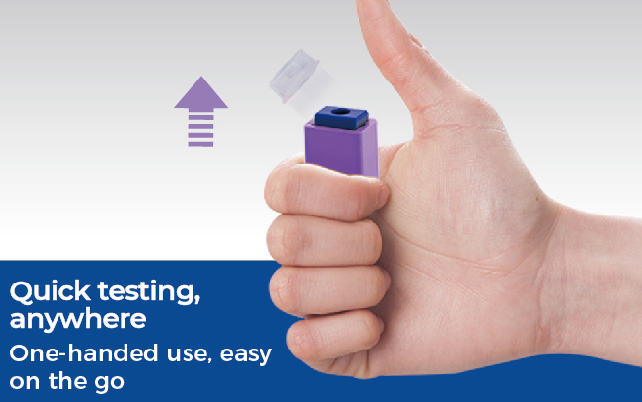
We are SteriLance, a medical device company specializing in capillary blood sampling and diabetes-related healthcare solutions. Our product range includes safety-focused devices designed to support blood glucose monitoring and injection-related needs. Explore our diabetes care solutions to learn how reliable medical devices can help improve daily healthcare workflows and provide practical support for diabetes management.
What Are Diabetic Supplies?
Diabetic supplies are medical products used to support different aspects of diabetes care, including blood glucose monitoring, insulin delivery, and routine disease management. These products are designed to help users perform essential healthcare tasks more conveniently and safely.
The category includes various tools with different functions. Some products are used to collect blood samples for glucose testing, while others are designed to deliver insulin according to prescribed treatment plans. Each device plays a specific role in helping users manage their daily routines.
Among commonly used diabetic supplies are lancets, lancing devices, safety lancets, and insulin pen needles. Although these products may all involve needle-based technology, their purposes are different. Selecting the right product requires understanding how each device works and where it fits into diabetes care.
Blood Glucose Monitoring Tools: Lancets and Lancing Devices
Blood glucose monitoring is an important part of diabetes management because it allows users and healthcare professionals to track glucose levels. To perform this process, a small blood sample is typically collected from the fingertip or another approved sampling area.
We design lancets to create small skin punctures for capillary blood collection. As sterile, single-use components, they provide the required access point to obtain blood samples during testing procedures.
Lancing devices work together with lancets by providing a controlled activation mechanism. Instead of manually handling a lancet, users can load the lancet into the device and activate it according to the product instructions. This design helps create a more organized sampling process.
Different users may have different requirements when selecting blood sampling tools. Factors such as sampling needs, device design, and professional recommendations should be considered when choosing suitable diabetic supplies for regular monitoring.
Safety Lancets: Supporting Safer Blood Sampling
Safety lancets are designed to combine blood collection functionality with protective features. These devices are commonly developed with safety mechanisms that help reduce risks associated with handling sharp components during and after use.
Unlike traditional reusable approaches, safety lancets are generally intended for single use. After activation, the device design helps prevent reuse and supports proper disposal practices. This feature is particularly valuable in healthcare environments where infection control and workflow safety are important considerations.
For hospitals, clinics, and other professional settings, safety-focused blood sampling products can simplify procedures. Healthcare workers can perform routine sampling while reducing unnecessary handling steps.
We at SteriLance develop safety-oriented medical device solutions that focus on practical healthcare applications. By considering both user needs and professional workflows, we aim to provide products that support reliable blood collection procedures.
Insulin Delivery Tools: Understanding Pen Needles
While lancets and lancing devices are used for blood sampling, insulin pen needles serve a different purpose. These products are designed to attach to insulin pens and deliver medication through injection.
Pen needles are available in different specifications, including different lengths and gauges. The appropriate selection depends on factors such as the insulin pen system, injection requirements, and guidance from healthcare professionals.
A common misunderstanding is that all needle-based diabetes products can be used interchangeably. However, blood sampling devices and insulin delivery devices have different designs and functions. Using the correct product for the correct procedure is essential.
For people who rely on insulin therapy, selecting compatible pen needles is an important part of maintaining an effective injection routine. Product instructions and professional recommendations should always be reviewed before use.
How Different Supplies Work Together in Diabetes Management
A complete diabetes care routine often involves multiple products working together. Blood glucose monitoring tools help users collect information about their glucose levels, while insulin delivery tools support medication administration when required.
The combination of suitable diabetic supplies allows users to manage different parts of their care process more efficiently. For example, a person may use a lancet and lancing device for glucose testing while using insulin pen needles for medication delivery.
Healthcare providers and distributors should consider the specific needs of users when recommending products. Factors such as ease of operation, compatibility, safety features, and intended application all influence product selection.
At SteriLance, we focus on developing medical device solutions that support different stages of diabetes care. Our approach emphasizes practical design, consistent performance, and solutions that fit real-world healthcare environments.
Choosing the Right Diabetes Care Products
Selecting appropriate diabetes-related products starts with identifying the purpose of each device. Users should first determine whether they need a product for blood sampling, insulin delivery, or additional safety support.
Product compatibility is another important consideration. Devices should be used according to manufacturer instructions and matched with the systems they are designed for. This helps ensure proper operation and supports a safer user experience.
Healthcare professionals can provide valuable guidance when users have questions about selecting products. Individual requirements may vary, and professional recommendations help ensure that chosen devices align with personal care needs.
Conclusion: Building a More Effective Diabetes Care Routine
Diabetic supplies include a wide range of medical tools that support different parts of diabetes management. Lancets, lancing devices, safety products, and insulin pen needles each have specific roles, and understanding these differences helps users make better choices.
The right combination of products can make daily monitoring and insulin administration more organized. Instead of viewing these devices as interchangeable items, users should consider their unique functions and how they contribute to the overall care process.
We at SteriLance continue to support healthcare partners and users by providing medical device solutions designed around practical needs. With accurate product selection and proper usage, diabetes management routines can become easier to maintain and better aligned with individual healthcare requirements.
Disclaimer: This content is provided for general health education and informational purposes only. It does not constitute medical advice, diagnosis, or treatment. Individual health conditions vary, and no health education article can replace a face-to-face consultation with a qualified healthcare professional or licensed medical institution. If you have specific health concerns or feel unwell, please seek care from a licensed medical facility and do not delay treatment because of content on this platform.