

 EN
EN 

















Implementing highly stringent infection control protocols actively requires exceptionally reliable medical devices today. Clinics globally prioritize single use safety lancets to help reduce cross-contamination risks during capillary blood collection. These advanced tools offer additional protection, supporting precise sampling while safeguarding healthcare professionals from accidental needlestick injuries. As facilities expand their diagnostic capabilities, selecting the appropriate puncture mechanism becomes critical for maintaining sterility goals and protecting both the patient and the medical staff.
Critical Factors For Upgrading Clinical Lancing Tools
Upgrading diagnostic instruments fundamentally improves patient outcomes while reducing operational costs. By deploying modern puncture devices, clinics drastically reduce workflow inefficiencies and consistently maintain exceedingly strict hygiene standards across all increasingly busy healthcare testing environments without any delays.
Automated Retraction helps reduce the risk of Pathogen Transmission Risks
The primary advantage of modern lancing devices involves automatic needle retraction mechanisms. This engineered feature is designed to keep the needle enclosed within the plastic housing before and after activation. Consequently, clinical staff actively avoid accidental skin punctures, neutralizing the severe hazard of needle reuse. Reliable infection control heavily depends on this physical barrier. By helping reduce unauthorized deployments, these specialized instruments protect highly vulnerable patients and dedicated personnel from dangerous secondary infections and bloodborne pathogen exposure events daily.
Optimizing Workflow With Pressure Activated Safety Lancets
Delivering consistent punctures requires standardized medical instruments. Pressure activated mechanisms minimize tissue trauma by controlling the exact penetration depth during every individual procedure. This uniform application consistently yields sufficient blood volumes for diagnostic testing without causing excessive patient discomfort. Healthcare workers benefit immensely from streamlined operations, allowing rapid specimen collection during peak clinical hours. Such precision helps support accurate results while strictly adhering to mandatory pathogen protocols established by national medical boards and regional health regulatory authorities across borders.
Enhancing Diagnostics Through Advanced Capillary Puncture Devices
Procuring premium capillary sampling tools supports long-term compliance with extremely strict regulatory standards. Medical facilities must consistently select precision-engineered instruments that perfectly combine exceptional ergonomic handling with highly reliable mechanical performance to help support optimal patient care experiences everywhere.
Superior Clinical Efficiency Through Push Button Designs
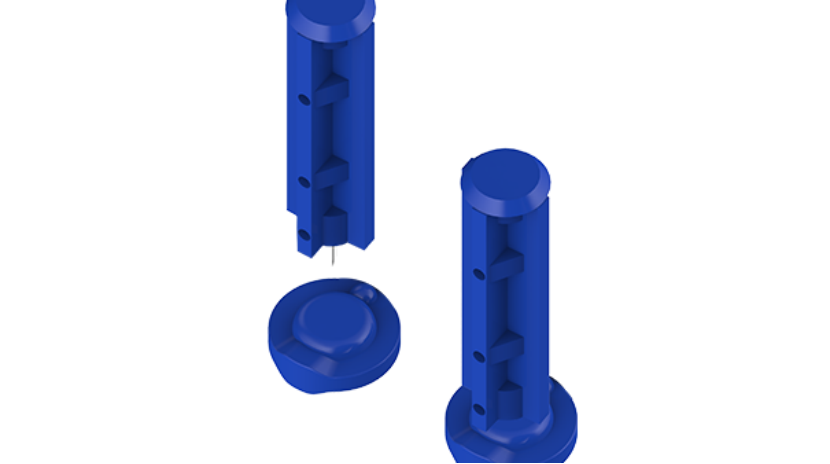
Integrating safety lancets push button models into daily clinical routines may streamline the blood testing process. The highly intuitive firing mechanism requires minimal operator training, effectively reducing direct physical contact between the healthcare worker and the delicate puncture site. By deliberately lowering activation force, these engineered devices decrease hand fatigue for practitioners conducting hundreds of diagnostic tests daily. Such practical advancements directly translate to elevated efficiency, faster processing times, and superior overall laboratory diagnostic accuracy for every patient.
Seamless Integration Of Premium Blood Sampling Solutions
Selecting standardized equipment directly impacts facility compliance ratings. These high-tier devices undergo rigorous gamma sterilization, supporting microbiological purity before clinical deployment. Administrators seeking optimal hygiene adopt specialized instruments to exceed baseline medical requirements. For procurement managers, partnering with established industry leaders provides immediate access to documented product technology. Reviewing Sterilance products may help modern centers select tools that support facility safety goals and infection-control procedures.
Disclaimer: This content is provided for general health education and informational purposes only. It does not constitute medical advice, diagnosis, or treatment. Individual health conditions vary, and no health education article can replace a face-to-face consultation with a qualified healthcare professional or licensed medical institution. If you have specific health concerns or feel unwell, please seek care from a licensed medical facility and do not delay treatment because of content on this platform.