

 EN
EN 

















The landscape of chronic condition management requires strict attention to material science and patient safety. For individuals requiring daily insulin or blood sampling, the reliability of diabetic products directly impacts long-term care routines. Poorly designed devices often cause tissue trauma, leading to non-compliance. Currently, manufacturers are correcting errors with certain glucose monitors. Exploring biocompatible materials provides clinical procurement managers with evidence-based criteria for selecting reliable medical devices, supporting stability during routine care and reducing adverse tissue reactions across patient populations.
The Impact of Biocompatibility on Diabetic Care Products
Selecting proper materials is essential for maintaining safety in clinical environments. Medical-grade plastics and metals help reduce the risk of chronic inflammation and support consistent performance during routine injections and daily continuous monitoring protocols.
Necessity of Medical-Grade Material Selection
Routine diabetes products must utilize rigorously tested materials to avoid leaching harmful compounds into the bloodstream. Stainless steel needles require precise electropolishing to remove microscopic burrs, reducing local insertion pain. Furthermore, specialized polymers support structural integrity under varying environmental conditions. Well-designed care protocols may help reduce complications and support adherence, but outcomes depend on the patient population and clinical supervision. Incorporating these engineering principles mitigates infection risks and enhances the overall application stability of various diabetes skin care products during routines.
Mitigating Tissue Trauma and Inflammation
Repeated needle insertions often induce localized inflammatory responses if the surface lacks proper biocompatible treatments. Rotating injection sites and using suitable medical-grade devices may help reduce injection-site irritation and scarring risk, but patients should follow individualized professional guidance. Procurement professionals must assess these material properties when sourcing the best skin care products for diabetics, as compromised barriers elevate infection risks. supporting material compatibility translates to fewer injection site reactions, establishing a baseline for safety that healthcare providers demand when prescribing care regimens.
Reliable Specifications for Daily Diabetes Management
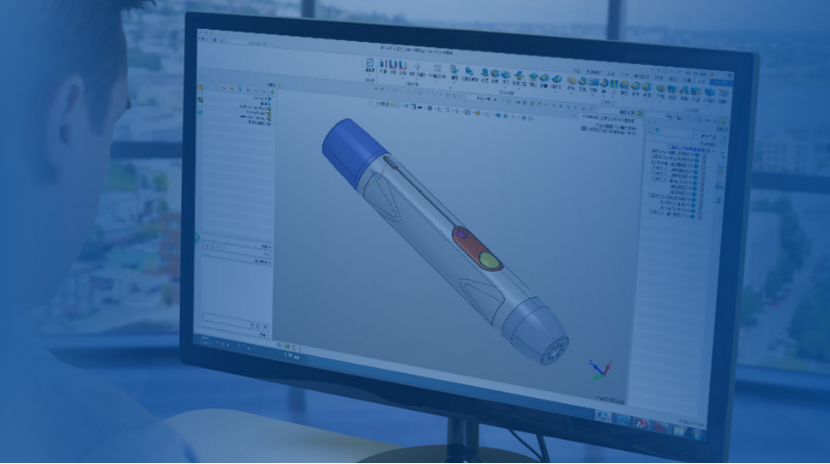
Evaluating specific device attributes supports consistent clinical outcomes. Rigorous manufacturing standards focus on precise needle bevel designs and secure structural housings to support safe administration across diverse demanding healthcare settings.
Evaluating Needle Sharpness and Coatings
Sterilance engineers devices with refined bevel angles designed to facilitate smooth skin penetration. Their safety lancets incorporate specialized silicone lubricants to lower drag forces during tissue entry. The manufacturing process involves strict quality control measures to verify structural reliability before distribution. By utilizing high-grade stainless steel, these instruments resist bending and maintain integrity during usage. Clinical managers rely on documented specifications to support procurement choices align with safety protocols, providing patients with dependable tools for their routine blood sampling requirements.
Implementing Secure Infection Control Mechanisms Today
Advanced features like automated needle retraction systems mitigate accidental needlestick injuries, protecting medical staff and patients alike. Such structural mechanisms permanently lock the needle post-use, enforcing single-use policies critical for controlling cross-contamination. Implementing these designs supports adherence to modern clinical hygiene regulations. Healthcare facilities must update inventory with devices demonstrating documented functional stability. Transitioning to reliable suppliers ultimately improves care delivery workflows. Procurement teams should review material specifications and select verified solutions to elevate the standard of routine clinical and home management practices safely today.
Disclaimer: This content is provided for general health education and informational purposes only. It does not constitute medical advice, diagnosis, or treatment. Individual health conditions vary, and no health education article can replace a face-to-face consultation with a qualified healthcare professional or licensed medical institution. If you have specific health concerns or feel unwell, please seek care from a licensed medical facility and do not delay treatment because of content on this platform.