

 EN
EN 

















Clinical capillary blood sampling procedures demand strict precision and robust worker protection. Selecting appropriate pressure activated safety lancets over traditional models directly influences daily operational efficiency within healthcare facilities. Healthcare professionals frequently compare these modern devices with safety lancets to determine which mechanism standardizes extraction protocols effectively. Understanding the mechanical differences helps clinical laboratory technicians optimize patient workflows, minimize percutaneous injuries, and maintain strict infection control standards across various medical diagnostic departments consistently and effectively every single operational workday.
Evaluating Pressure Activated Versus Push Button
Medical institutions must strictly evaluate these systems to maintain safety. Furthermore, understanding this mechanical variance remains essential daily. Comparing automated pressure triggers with manual safety lancets push button designs reveals critical operational differences for medical procurement managers globally.
Safety Lancets Push Button Dynamics
Manual triggering requires specific applied force by the technician, which introduces variability in penetration depth and patient comfort. While some institutions utilize safety lancets, the manual push action occasionally results in premature activation or insufficient blood volume. Available data may suggest that manual mechanisms require approximately a measurable amount more secondary punctures due to inconsistent operator technique. Consequently, standardizing puncture depth becomes challenging in high volume testing environments where different practitioners handle the medical devices daily during routine diagnostic procedures now.
Puncture Depth Volume Consistency
In contrast, pressure activated models deploy automatically upon contact with the skin, minimizing operator variability. This mechanism supports an exact penetration depth, typically yielding a constant blood volume suitable for point of care testing protocols. Contact-activated designs may support consistent first-attempt sampling, but performance depends on patient factors, user training, and product configuration. Incorporating these standardized devices streamlines the workflow and reduces the risk of accidental percutaneous exposures during routine capillary collection procedures in clinical settings globally.
Sterilance Safety Lancets Highlights
Upgrading clinical procurement protocols requires reliable devices that support consistent daily sampling. Examining the technical specifications of modern lancet models assists medical managers in refining institutional safety measures efficiently today.
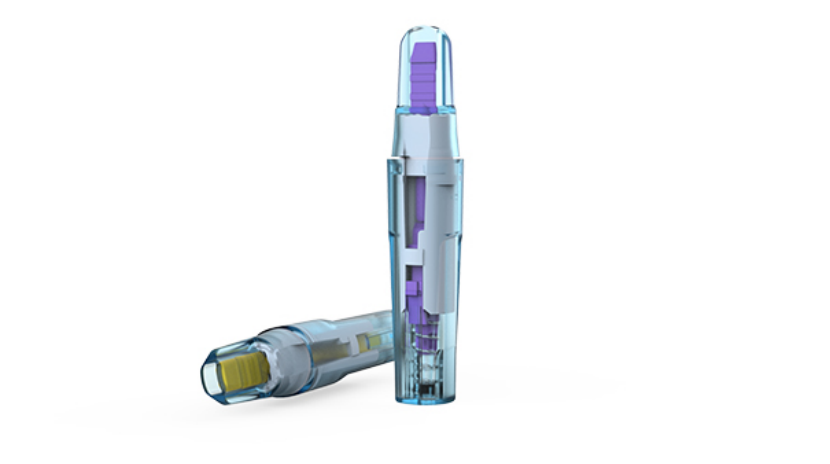
Device Structure Reliability
The engineered structure of these devices integrates a concealed needle before and after deployment, helping reduce cross-contamination risk. Utilizing a specialized spring mechanism, the unit retracts instantly post puncture. Procurement managers analyzing various safety lancets find that standardized contact activated units optimize inventory by catering to diverse skin types. The pre loaded design requires no complex preparation, allowing healthcare workers to process critical blood samples rapidly while maintaining stringent adherence to international occupational hazard regulations within demanding diagnostic laboratory environments.
Upgrading Sampling Protocols
Transitioning to an automated safety mechanism may improve operational metrics across busy diagnostic departments. Implementing Sterilance solutions provides medical professionals with highly reliable blood sampling tools optimally designed for consistent daily extraction. These specialized units support accurate diagnostics by delivering adequate blood sample sizes without demanding extensive operator training. To optimize your clinical workflow and efficiently upgrade capillary blood sampling procedures, immediately evaluate your current institutional inventory and consider integrating these specific medical devices into your purchasing schedules today.
Disclaimer: This content is provided for general health education and informational purposes only. It does not constitute medical advice, diagnosis, or treatment. Individual health conditions vary, and no health education article can replace a face-to-face consultation with a qualified healthcare professional or licensed medical institution. If you have specific health concerns or feel unwell, please seek care from a licensed medical facility and do not delay treatment because of content on this platform.