

 EN
EN 

















A lancet disposable is a small skin-puncture device, but once used it falls into the same practical risk category as other sharps because lancets can puncture skin. A disposable safety lancet may include design features intended for controlled single use, yet disposal still depends on whether the sharp has been used or contaminated. For clinics, laboratories, and home testing programs, that distinction matters more than the product’s size.
When a lancet disposable becomes a sharps item
The U.S. Food and Drug Administration lists lancets among sharps, along with needles and syringes, because these items have sharp points or edges that can cut or puncture skin. FDA guidance says used sharps should be placed immediately in a sharps disposal container after use. OSHA requires contaminated sharps to be discarded immediately, or as soon as feasible, into containers that are closable, puncture resistant, leakproof on the sides and bottom, and labeled or color-coded.
What “single use” means in daily testing
For blood sampling, disposable lancets single use should be understood as a user-safety and infection-control requirement, not just a purchasing description. CDC guidance for assisted blood glucose monitoring says fingerstick devices should never be used for more than one person, and single-use, auto-disabling fingerstick devices should be used in assisted monitoring settings. A blood lancet disposable used for one puncture should therefore move from the procedure area to approved sharps handling without reuse.
In practical terms, after a service disposable lancets must not be left on trays, mixed with ordinary waste, or handed between workstations after use. The same principle applies when procurement teams compare search terms such as accu chek disposable lancets with other single-use lancet options: disposal rules follow sharps status, not a search label. If a device has contacted blood or has an exposed sharp, staff should treat it as regulated sharps waste where applicable. Choosing containers and handling points
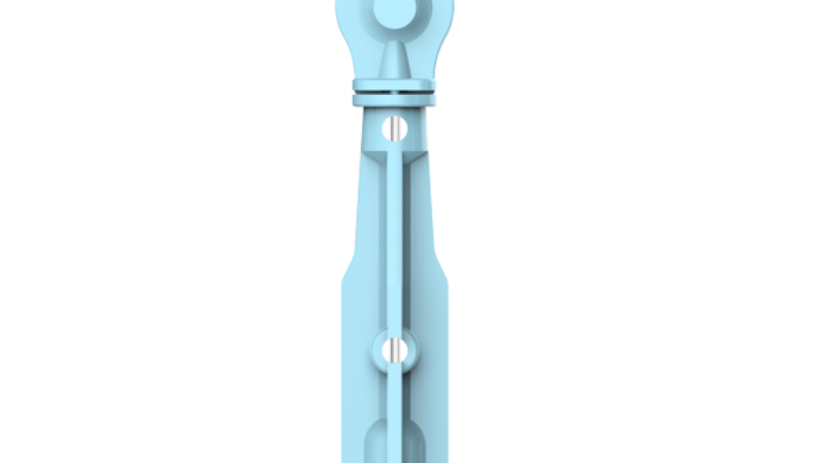
For home, work, or travel, FDA recommends using FDA-cleared sharps disposal containers when available and placing used sharps into the container immediately after use. FDA also advises keeping sharps containers out of reach of children and pets. In healthcare environments, OSHA’s container requirements add operational detail: the container must be closable, puncture resistant, leakproof on the sides and bottom, and labeled or color-coded.
A safety mechanism can reduce handling exposure during the puncture step, but it does not convert a used lancet into ordinary trash. The safer workflow is simple: open the device only when needed, use it for the intended fingerstick or capillary blood sample, and discard it directly into the correct sharps container. This workflow also reduces the chance that small lancets are misplaced among gauze, gloves, packaging, or bench-top waste.
Practical takeaways for procurement and training
Procurement teams should check the official product page before writing device instructions, because product terminology and available product categories should come from the manufacturer rather than assumptions. The Sterilance safety lancet page identifies the product category as safety lancet, while the company homepage provides the official Sterilance brand source for buyers reviewing supplier information. Training should then pair product-specific instructions with local sharps disposal rules and the applicable FDA, CDC, or OSHA guidance.
Disclaimer: This content is provided for general health education and informational purposes only. It does not constitute medical advice, diagnosis, or treatment. Individual health conditions vary, and no health education article can replace a face-to-face consultation with a qualified healthcare professional or licensed medical institution. If you have specific health concerns or feel unwell, please seek care from a licensed medical facility and do not delay treatment because of content on this platform.