

 EN
EN 

















Choosing the correct needle specifications is an important part of creating a comfortable and effective insulin injection routine. Many people using insulin pens have questions about needle measurements, especially when comparing different options. Understanding insulin pen needle sizes can help users recognize how gauge and length influence injection experience, compatibility, and daily diabetes care practices.
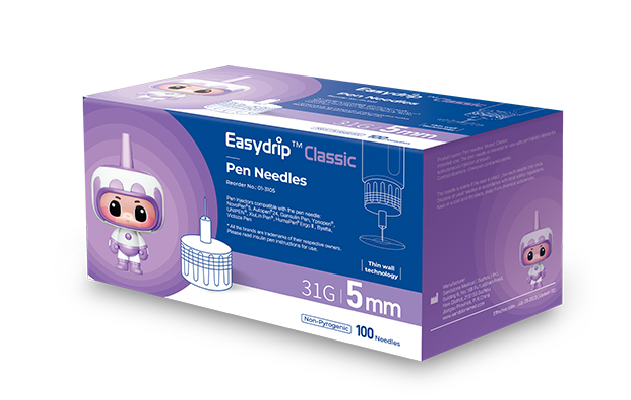
We are SteriLance, a medical device company dedicated to developing professional healthcare solutions with a focus on safety, reliability, and user-centered design. Our experience in medical device manufacturing helps us understand the importance of quality products for healthcare applications. If you are looking for more information about suitable needle solutions, explore our medical device expertise and contact our team for professional support.
Understanding Insulin Pen Needle Sizes and Their Importance
Insulin pen needle sizes are generally described through two main measurements: gauge and length. These two factors work together to determine the physical characteristics of a needle and influence how it is used during insulin administration.
We define gauge as the thickness of a needle. Under standard medical terminology, a higher gauge number means a thinner needle. Needle length stands for the distance from the needle tip to the base that attaches to an insulin pen. We consider both measurements critical, as they impact injection methods, ease of use, and user comfort.
When selecting a needle, users should consider more than just choosing the smallest or thinnest option available. The right choice depends on individual needs, injection habits, and recommendations from healthcare professionals. A suitable combination of gauge and length can help support a consistent injection experience.
How Gauge Affects Insulin Pen Needle Performance
Gauge is one of the most commonly discussed features when comparing insulin needles. A thinner needle may be preferred by some users because it can provide a more comfortable feeling during insertion. However, the gauge also needs to work effectively with the insulin delivery process.
The design of modern needles focuses on balancing comfort and performance. A needle must be thin enough to support user comfort while still maintaining the structural strength required for safe and reliable use.
When reviewing insulin pen needles sizes, users should understand that gauge does not work independently. A thinner gauge does not automatically mean a better choice for everyone. The overall needle design, injection technique, and personal preference all contribute to the final experience.
Healthcare providers may recommend different gauge options based on a person’s treatment routine and comfort requirements. Users should follow professional guidance rather than changing needle specifications without appropriate advice.
The Role of Needle Length in Injection Experience
Needle length determines how far the needle extends during injection. Different lengths are designed to accommodate different user requirements and injection approaches.
We see many users choose shorter needles since they are simpler to operate and streamline the injection process. We also provide longer needle alternatives for specific cases recommended by healthcare providers.
Understanding insulin pen needles sizes also means recognizing that length and gauge are connected. A needle with a specific gauge may be available in different lengths, allowing users and healthcare professionals to select a combination that matches their needs.
Proper injection technique is also essential regardless of needle length. Following recommended procedures can help ensure that insulin is delivered correctly and that the device is used safely.
How Gauge and Length Work Together
Gauge and length should always be considered together rather than separately. The gauge determines the needle thickness, while the length determines the insertion distance. Both characteristics influence how a needle feels and functions during use.
For example, two needles may have the same gauge but different lengths, creating different user experiences. Similarly, two needles with different gauges may have the same length but vary in thickness and handling characteristics.
Manufacturers carefully design medical needles to achieve a balance between precision, safety, and usability. At SteriLance, we focus on developing healthcare products that support reliable performance while meeting the practical needs of users and medical professionals.
Before purchasing replacement needles, users should check whether the selected product matches their insulin pen device. Compatibility is a key factor because a needle must properly connect with the pen system to function correctly.
What Should You Check Before Choosing a Needle Size?
Before selecting a needle, users should review several important points. First, confirm compatibility with the insulin pen being used. Different pen systems may have specific requirements, so checking product information is essential.
Second, consider personal comfort and injection habits. Some users prioritize a smaller needle size for convenience, while others may focus on specific recommendations from their healthcare provider.
Third, evaluate product quality and manufacturing reliability. Medical devices require strict attention to safety, consistency, and quality control. Choosing products from established manufacturers can provide greater confidence in daily use.
It is also important to avoid selecting a needle only based on appearance or marketing claims. A proper choice should consider medical guidance, product specifications, and individual requirements.
Why Proper Needle Selection Matters for Daily Diabetes Care
For people who use insulin regularly, injection supplies are an essential part of everyday diabetes management. A suitable needle can help create a smoother routine and improve confidence when performing injections.
Correct needle selection also supports better preparation and organization. Users who understand their equipment can make informed decisions when purchasing replacement supplies and maintaining their diabetes care routine.
We believe that clear product information helps users make better healthcare decisions. We at SteriLance continue to support medical device innovation by focusing on quality, safety, and practical solutions for healthcare environments.
Conclusion
Understanding insulin pen needle sizes requires looking at both gauge and length together. Gauge describes needle thickness, while length describes how far the needle extends during injection. These two factors influence comfort, usability, and overall injection experience.
The best needle choice depends on compatibility, personal needs, product quality, and professional recommendations. By learning how different specifications work together, users can make more informed decisions when selecting insulin pen needles.
With careful evaluation of needle features and reliable product information, patients and healthcare providers can support safer and more convenient insulin administration practices.
Disclaimer: This content is provided for general health education and informational purposes only. It does not constitute medical advice, diagnosis, or treatment. Individual health conditions vary, and no health education article can replace a face-to-face consultation with a qualified healthcare professional or licensed medical institution. If you have specific health concerns or feel unwell, please seek care from a licensed medical facility and do not delay treatment because of content on this platform.