

 EN
EN 

















Choosing the right needle for an insulin pen is an important step in ensuring a smooth injection experience. Many users focus on insulin type and pen design but may overlook whether the needle and pen system are compatible. Understanding basic compatibility factors can help users make informed choices and avoid problems caused by selecting unsuitable accessories.
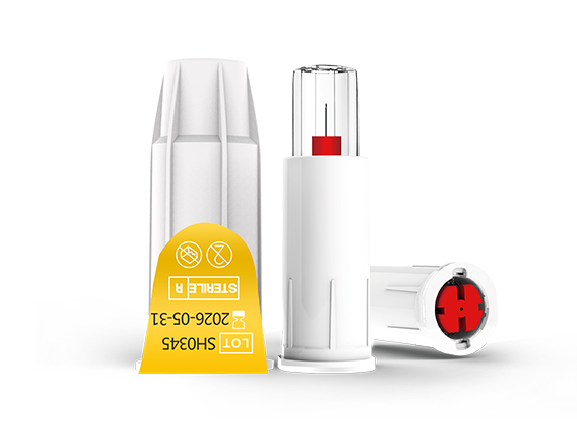
We are SteriLance, a medical device company focused on developing reliable blood sampling and injection-related solutions for healthcare needs. Through our expertise in safety-focused medical technologies, we aim to support healthcare providers, distributors, and users with dependable solutions. Explore our product information and learn more about how proper needle selection can support safer and more convenient insulin administration.
Choosing Needles for Insulin Pen Compatibility
When checking whether needles fit your insulin pen, the first factor to consider is the connection system between the needle and the pen. Most insulin pen needles are designed with standardized attachment structures that allow them to connect with many commonly used insulin pens. However, users should always confirm compatibility with their specific pen model before use.
The term needles for insulin pen refers to disposable needle products designed specifically for attachment to insulin delivery pens. These needles are available in different specifications, including various lengths and designs, to meet different user requirements. Selecting a suitable option depends on the pen system, injection technique, and recommendations from healthcare professionals.
One common mistake is assuming that all pen needles work universally with every insulin pen. Although many products are designed for broad compatibility, differences between manufacturers and pen models may affect proper fitting. Checking the product instructions, packaging information, or manufacturer guidance is an effective way to confirm whether a needle can be used with a particular pen.
Key Factors to Check Before Selecting a Needle
The first step is identifying the exact insulin pen model. Users should check the brand name, model information, or instructions provided with their pen. This information helps determine which needle options are appropriate and reduces the risk of selecting an incompatible product.
Needle length is another important consideration. Different needle lengths may influence injection comfort and technique. Healthcare professionals often provide guidance based on individual needs, age, body characteristics, and injection habits. Users should follow professional recommendations instead of choosing based only on personal preference.
The attachment mechanism should also be reviewed carefully. A properly fitted needle should connect securely to the pen without excessive force. If the needle does not attach correctly, users may experience difficulties during preparation or injection. Following the instructions provided with both the pen and needle helps maintain proper use.
At SteriLance, we understand that reliable medical accessories require attention to design details, manufacturing consistency, and user safety. Our approach focuses on supporting healthcare applications with products designed to meet practical needs while helping users achieve a more confident experience during routine procedures.
How to Verify Compatibility Before Use
Before using a new needle, users should inspect the product packaging and confirm that the needle is intended for insulin pen applications. The packaging typically provides information about the product type, specifications, and compatibility details. Reading these details carefully is an important step in responsible product selection.
Another useful method is consulting healthcare providers or suppliers. Medical professionals and authorized distributors can help answer questions about whether specific needles match a user’s insulin pen. This is especially valuable for people who are using insulin pens for the first time or changing to a different pen system.
Users should also avoid modifying needles or forcing connections between products that do not appear compatible. Medical devices are designed to work according to their intended specifications. Using products correctly helps maintain the expected function and supports a safer injection routine.
Benefits of Choosing the Right Insulin Pen Needle
Selecting the correct needle can improve the overall injection process. A compatible needle allows the insulin pen system to function as intended and helps users follow their prescribed injection routine more comfortably.
For healthcare providers and medical distributors, offering appropriate needles for insulin pen systems also helps ensure that users receive products suitable for their daily needs. Clear product information and proper guidance can reduce confusion and improve confidence among people managing diabetes.
Compatibility is not only about whether a needle can physically attach to a pen. It also involves considering product quality, intended use, and proper handling procedures. A complete understanding of these factors allows users to make better decisions when selecting insulin pen accessories.
Conclusion
Checking whether a needle fits an insulin pen requires attention to the pen model, needle design, attachment system, and professional recommendations. Taking time to confirm compatibility can help users avoid unnecessary issues and create a smoother injection experience.
We believe that clear information and dependable medical solutions can make daily healthcare routines easier to manage. We at SteriLance continue to focus on supporting healthcare needs through carefully designed products and solutions. For anyone evaluating insulin pen accessories, reviewing compatibility information before use is a simple but valuable step.
By understanding how compatibility works, users can approach insulin pen needle selection with greater confidence and make choices that better support their healthcare routines. SteriLance encourage users and healthcare partners to prioritize proper product selection and follow professional guidance whenever questions arise.
Disclaimer: This content is provided for general health education and informational purposes only. It does not constitute medical advice, diagnosis, or treatment. Individual health conditions vary, and no health education article can replace a face-to-face consultation with a qualified healthcare professional or licensed medical institution. If you have specific health concerns or feel unwell, please seek care from a licensed medical facility and do not delay treatment because of content on this platform.