

 EN
EN 

















Using insulin pens has become a convenient and effective way for many people with diabetes to manage their blood glucose levels. However, proper needle replacement and hygiene practices are essential parts of safe insulin administration. Many users wonder how often they should replace their needles, whether reuse is acceptable, and how to maintain a comfortable injection routine. Understanding the basics of needle replacement can help improve safety and support better daily diabetes care.
At SteriLance, we focus on developing reliable medical devices that support safer and more convenient blood sampling and injection procedures. Our goal is to provide healthcare solutions designed around user comfort, quality, and practical needs. Explore our professional solutions today to learn more about our products and how we can support better diabetes management practices.
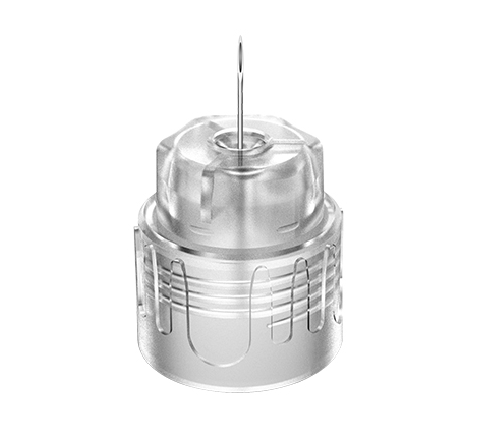
Why Regular Replacement Of Pen Needles For Insulin Matters
Many people use pen needles for insulin as part of their daily diabetes management routine. Although a needle may look unchanged after one injection, microscopic changes can occur after use. Reusing a needle may affect sharpness, cleanliness, and overall injection experience.
A new needle is designed to provide a smooth and precise injection. After repeated use, the needle tip may become less effective, which can increase discomfort during insertion. Regular replacement helps maintain a more consistent experience and supports proper hygiene during insulin administration.
Needle replacement also reduces the possibility of contamination. Once a needle has been used, it has been exposed to skin contact and external environments. Following recommended hygiene practices helps minimize unnecessary risks associated with improper handling.
How Often Should Diabetic Pen Needles Be Changed?
The recommended replacement schedule for pen needles can vary depending on healthcare guidance, personal circumstances, and manufacturer instructions. In general, many healthcare professionals recommend using a new needle for every injection to support optimal hygiene and performance.
Some users may reuse needles because of convenience or cost concerns, but this practice can create problems over time. Repeated use may lead to a duller needle tip, increased injection discomfort, and reduced confidence in the injection process.
When selecting pen needles for insulin, users should consider product quality, compatibility with their insulin pen device, and recommendations from healthcare providers. Choosing suitable needles and replacing them properly are important steps in creating a safer injection routine.
Hygiene Basics For Safer Insulin Injections
Good hygiene habits are an important part of diabetes self-care. Before every injection, users should wash their hands and prepare a clean injection area. Keeping the needle package sealed until use can help protect the product from contamination.
After completing an injection, the used needle should be removed carefully and disposed of according to local safety guidelines. Leaving a used needle attached to an insulin pen may create hygiene concerns and may affect the performance of the device.
At SteriLance, we understand that daily diabetes management requires products that are simple, safe, and dependable. Our approach focuses on supporting healthcare professionals and patients with solutions that improve confidence during routine procedures while meeting practical healthcare needs.
Common Mistakes When Using Insulin Pen Needles
One common mistake is assuming that a needle can be reused several times without any effect. Even when there is no visible damage, repeated use can change the needle’s condition and may make injections less comfortable.
Another mistake is failing to store unused needles correctly. Exposure to moisture, dust, or damaged packaging may affect product quality. Users should always check packaging conditions before use and avoid using needles that appear damaged or compromised.
Some people also forget that different insulin pens may require compatible needle designs. Before purchasing or changing products, users should confirm that the selected needle matches their insulin delivery system. Proper selection helps ensure reliable performance during daily treatment.
Choosing The Right Pen Needles For Insulin
The right needle choice depends on several factors, including individual preference, injection habits, and healthcare recommendations. Needle length and design can influence injection comfort and usability, so users should discuss suitable options with qualified healthcare professionals.
High-quality pen needles for insulin are designed to provide accurate medication delivery while helping reduce unnecessary discomfort. Manufacturing standards, material quality, and design features all contribute to the overall injection experience.
We at SteriLance provide medical device solutions developed with attention to safety, usability, and quality requirements. By focusing on dependable manufacturing and user-centered design, we aim to help customers make informed choices for their healthcare needs.
Building A Better Needle Replacement Routine
Creating a consistent replacement routine can make diabetes management easier. Users can prepare enough replacement needles in advance, follow healthcare recommendations, and include needle changes as part of their regular medication schedule.
Keeping track of supplies is also helpful. Running out of new needles may encourage unnecessary reuse, so planning ahead supports better hygiene habits. Simple steps, such as checking supplies regularly and storing products properly, can improve daily convenience.
Healthcare providers can also offer personalized advice based on individual needs. Every person’s diabetes management plan is different, and professional guidance remains an important part of safe insulin use.
Conclusion
Changing diabetic pen needles regularly is an important part of maintaining safe and comfortable insulin injections. While replacement frequency may depend on individual situations, using a new needle for each injection is widely recommended as a good hygiene practice.
Understanding proper replacement, storage, and disposal habits can help users create a safer diabetes management routine. With reliable products and correct usage practices, patients can approach daily insulin administration with greater confidence.
We at SteriLance continue to support healthcare needs by developing medical device solutions that prioritize quality, safety, and user experience. By choosing appropriate products and following recommended practices, individuals can better manage their injection routines and maintain healthier habits.
Disclaimer: This content is provided for general health education and informational purposes only. It does not constitute medical advice, diagnosis, or treatment. Individual health conditions vary, and no health education article can replace a face-to-face consultation with a qualified healthcare professional or licensed medical institution. If you have specific health concerns or feel unwell, please seek care from a licensed medical facility and do not delay treatment because of content on this platform.