

 EN
EN 

















An insulin pen needle is a small but highly engineered medical component designed to create a safe pathway between an insulin pen and the body. Although it looks simple, its function depends on the cooperation of multiple parts, including the needle tip, hub, protective components, and internal channel. Understanding how an insulin pen needle works helps users better understand how insulin moves from the pen device into the injection site.
We are SteriLance, a medical device manufacturer specializing in precision healthcare products designed to support safe and reliable medical procedures. Through professional manufacturing experience and a focus on quality, we provide solutions that help meet the needs of healthcare professionals and patients. If you want to learn more about our medical device capabilities and needle solutions, contact our team for further information.
What Is an Insulin Pen Needle and How Does It Function?
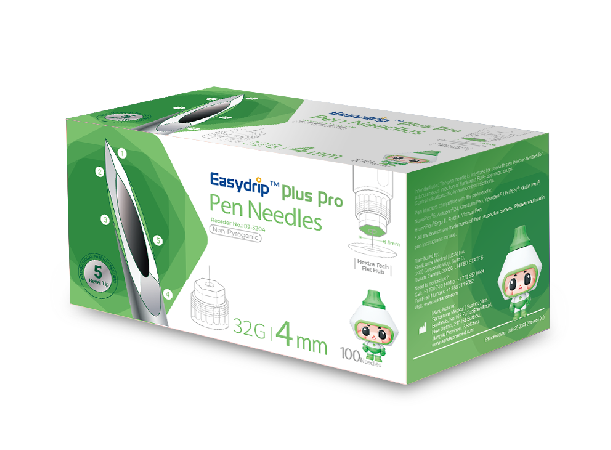
An insulin pen needle is a disposable needle component designed to connect with an insulin pen and deliver medication through subcutaneous injection. It serves as the physical pathway that allows insulin stored inside the pen cartridge to enter the body.
Unlike a traditional syringe needle, this device is specifically designed for use with insulin pen systems. The needle must connect securely with the pen mechanism so that medication can move through the internal channel when the injection button is pressed.
The basic working principle is straightforward: the insulin pen creates the force needed to push insulin forward, while the needle provides the controlled route for medication delivery. Without a properly designed needle pathway, the insulin pen cannot complete the injection process effectively.
The function of an insulin pen needle depends on precise manufacturing. The needle must be sharp enough to penetrate the skin smoothly, strong enough to maintain its structure, and designed with an internal pathway that allows insulin to pass through efficiently.
Structure of an Insulin Pen Needle: How Each Part Works
The structure of an insulin pen needle includes several components that work together during preparation and injection. Each part has a specific purpose in supporting safe and effective use.
The outer protective cap is designed to protect the needle before use. It helps prevent accidental contact with the needle and maintains protection during storage and handling.
The inner protective cover provides an additional layer of protection around the needle before attachment. These protective components help maintain the condition of the needle until it is ready for injection.
The needle hub is the connection point between the needle and the insulin pen. It allows the needle to be securely attached to the pen device and creates a stable link between the medication container and the needle channel.
The needle cannula is the thin metal tube that creates the injection pathway. Its internal opening allows insulin to travel from the pen cartridge through the needle and into the body.
Together, these parts transform a small needle component into a complete delivery pathway. The design of each element contributes to the overall function of the injection system.
How Does an Insulin Pen Needle Attach to an Insulin Pen?
The attachment process is an essential step in making the injection system work correctly. An insulin pen needle must be properly connected to the insulin pen before medication can be delivered.
During preparation, the protective seal is removed, and the needle is attached to the pen according to the product instructions. The connection between the needle hub and the pen must be secure so that insulin can move through the correct pathway.
Once attached, the needle becomes an extension of the insulin pen. The medication inside the cartridge can then travel from the pen mechanism into the needle when pressure is applied.
Compatibility is also important because the needle must match the intended insulin pen system. A proper connection helps ensure that the medication pathway remains stable throughout the injection process.
At SteriLance, we understand that reliable attachment and consistent performance are essential characteristics of medical devices. Our approach focuses on supporting healthcare applications through precise design and dependable manufacturing standards.
How Does Insulin Travel Through the Needle During Injection?
The injection path explains the main working process of an insulin pen needle. When the user presses the injection button on the insulin pen, the pen mechanism pushes insulin from the cartridge toward the needle.
The medication follows a controlled route:
Insulin cartridge → Pen connection area → Needle hub → Needle cannula → Injection site
The needle acts as a temporary channel that allows insulin to pass through the skin and reach the subcutaneous tissue. The internal structure of the needle is designed to support smooth medication flow during this process.
The needle tip creates the opening needed for insertion, while the internal channel allows insulin to move through the device. This combination of penetration and fluid delivery is what enables the insulin pen system to function.
The effectiveness of this process depends on multiple factors, including proper attachment, correct handling, and appropriate injection technique.
How Needle Design Influences Injection Performance
The design features of an insulin pen needle directly affect how the device functions during injection. Important characteristics include needle length, gauge, sharpness, and manufacturing precision.
Needle length determines how far the needle extends during insertion. Different lengths are designed to support different user requirements and injection approaches.
Gauge refers to the thickness of the needle. The gauge influences the physical characteristics of the needle, including its diameter and handling experience.
A well-designed needle must balance several requirements. It needs to support medication flow while maintaining structural strength and providing a comfortable user experience.
These design considerations show why medical needle manufacturing requires advanced technology and strict quality control. Small differences in design can influence the overall injection process.
Factors That Can Affect How an Insulin Pen Needle Works
Although the needle itself is designed for reliable performance, several factors can influence how well the injection system functions.
First, proper attachment is necessary. If the needle is not correctly connected to the pen, the medication pathway may not work as intended.
Second, correct handling helps maintain product performance. Users should follow manufacturer instructions and healthcare guidance when preparing and using the device.
Third, maintaining sterility is essential. Disposable needle designs help reduce contamination risks by providing a clean needle for each injection.
Understanding these factors allows users and healthcare providers to better appreciate the relationship between needle design and injection performance.
Conclusion
An insulin pen needle works by combining precise structure, secure attachment, and a controlled injection pathway. The protective components prepare the needle for use, the hub connects it with the insulin pen, and the cannula creates the route that allows insulin to enter the body.
By understanding how each part works together, users can better understand the technology behind insulin delivery systems. From attachment to medication flow, every stage of the process depends on careful engineering and proper use.
We at SteriLance continue to focus on developing reliable medical device solutions that support safer healthcare practices and meet the needs of modern medical applications.
Disclaimer: This content is provided for general health education and informational purposes only. It does not constitute medical advice, diagnosis, or treatment. Individual health conditions vary, and no health education article can replace a face-to-face consultation with a qualified healthcare professional or licensed medical institution. If you have specific health concerns or feel unwell, please seek care from a licensed medical facility and do not delay treatment because of content on this platform.