

 EN
EN 

















Managing blood glucose levels requires strict precision. A structured diabetes care plan relies on accurate insulin delivery and consistent monitoring. Clinical professionals emphasize that integrating reliable diabetic care products into daily routines increases medication adherence. For older patients dealing with dexterity limitations, using ergonomic tools helps reduce the risk of administration errors and skin trauma. By implementing targeted interventions within the care plan diabetes mellitus, healthcare providers support ongoing safety. Let us examine how specialized medical consumables optimize clinical outcomes.
Selecting Tools For A Care Plan For Type 2 Diabetes
Evaluating physiological limitations is crucial before assigning injection devices. Proper assessment supports the nursing care plan for type 2 diabetes meets specific patient requirements effectively.
helping support accurate Dosing And Reducing Trauma
Accurate insulin administration demands high-quality needles designed to help reduce the risk of leakage and minimize tissue damage. Clinical Some studies suggest that utilizing ultra-thin needle walls lowers the required injection force to minimize discomfort, which directly supports older adults with reduced hand strength. Thinner gauges reduce injection site reactions, helping reduce lipohypertrophy during long-term treatment. By matching needle specifications to skin conditions, clinical staff improve overall adherence rates. Integrating these specific parameters into your diabetes mellitus nursing care plan creates a standardized routine that prioritizes physical comfort and dosing precision.
Implementing Safety Mechanisms In Home Environments
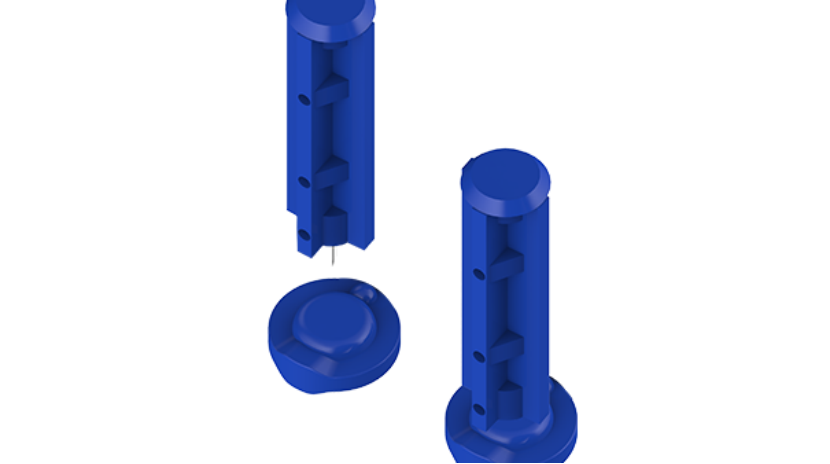
Accidental needlesticks pose occupational hazards for caregivers and clinical staff. Modern insulin delivery systems incorporate automated shielding mechanisms to protect users during and after administration. Data shows that engineered safety devices reduce percutaneous injury risks for caregivers working in clinical settings. For independent home care, concealed needle designs lower psychological barriers and injection anxiety, promoting patient confidence. Adapting product ergonomics facilitates easier attachment and safe disposal. These structural considerations remain fundamental when structuring a resilient diabetes care plan for long-term patient self-management.
Enhancing Your Routine With Consumables
Upgrading essential clinical consumables directly influences overall treatment efficacy. Selecting specialized injection tools aligns daily glucose management goals with stringent safety protocols.
Precision Insulin Pen Needles Features
The Sterilance portfolio provides reliable solutions tailored for precise insulin delivery. Their insulin pen needles feature tri-bevel tips and ultra-thin walls, optimizing fluid flow while minimizing epidermal penetration resistance. This configuration accommodates patients requiring consistent administration without structural degradation of the needle tip. The universal fit supports compatibility with major insulin pens, streamlining inventory management for healthcare facilities. Utilizing these engineered tools integrates smoothly into any care plan for type 2 diabetes, helping confirm that clinical nursing staff can administer doses with accuracy.
Empowering Patient Self-Management Protocols Safely
Integrating ergonomic safety lancets and needles into your practice establishes a reliable baseline for patient independence. These robust medical consumables support individuals facing severe dexterity challenges, helping support safe operation during daily monitoring routines. Prioritizing structured equipment selection enhances overall clinical efficacy. Evaluate the specific physiological needs of your targeted patient demographic and source appropriate devices to minimize administration errors. Upgrade your daily protocols by exploring the comprehensive range of specialized injection instruments available to support your structured medical strategy systematically today, helping support continuous long-term success.
Disclaimer: This content is provided for general health education and informational purposes only. It does not constitute medical advice, diagnosis, or treatment. Individual health conditions vary, and no health education article can replace a face-to-face consultation with a qualified healthcare professional or licensed medical institution. If you have specific health concerns or feel unwell, please seek care from a licensed medical facility and do not delay treatment because of content on this platform.