

 EN
EN 

















The healthcare industry faces significant challenges in managing occupational hazards during routine blood sampling. Integrating advanced diabetes supplies into clinical workflows fundamentally shifts risk profiles for medical staff. An effective advanced diabetic supply chain prioritizes safety engineered devices over traditional capillary sampling tools. Administrators prioritize scalable solutions that shield nurses from accidental exposure. Available evidence may suggest that systematic adoption of safety lancets lowers incident rates substantially. Clinical environments require robust protocols where staff access reliable tools consistently. Securing these vital medical devices establishes a baseline for safer diagnostic procedures across diverse healthcare facilities, ultimately enhancing overall patient care quality, operational efficiency, and reducing long term liability costs.
Occupational Hazards In Blood Glucose Monitoring Operations
Evaluating workplace risks reveals that routine capillary blood sampling exposes healthcare personnel to preventable dangers. Implementing protective mechanisms requires understanding exact injury prevalence and evaluating structural device improvements thoroughly.
Prevalence Of Needlestick Injuries Among Healthcare Personnel
Percutaneous injuries remain a primary occupational concern in hospital settings globally. The Centers for Disease Control and Prevention estimates that healthcare personnel sustain hundreds of thousands of needlestick injuries annually. Routine glucose testing accounts for a noticeable fraction of these incidents when standard devices are utilized. Bloodborne pathogen exposure risks escalate without systemic hardware improvements. Transitioning to safety engineered devices minimizes physical contact with contaminated sharps. When facility managers coordinate inventory, rather than manually searching for an advanced diabetes supply carlsbad ca distributor, they establish direct enterprise supply chains. This structural shift effectively mitigates frontline clinician vulnerability.
Advanced Diabetes Supplies Enhancing Clinical Safety Profiles
Clinical grade safety lancets incorporate automated retraction mechanisms to isolate needles immediately following skin puncture. This design restricts unauthorized reuse and removes manual capping procedures. Cross contamination instances drop when single use frameworks dictate clinical workflows. Procurement teams streamline operations by standardizing their purchasing requests. Submitting an advanced diabetes supply order form pdf directly to manufacturers consolidates inventory pipelines. Hospitals bypass traditional bottlenecks to maintain consistent stock levels. Such workflow optimizations confirm that critical safety tools remain accessible for every patient.
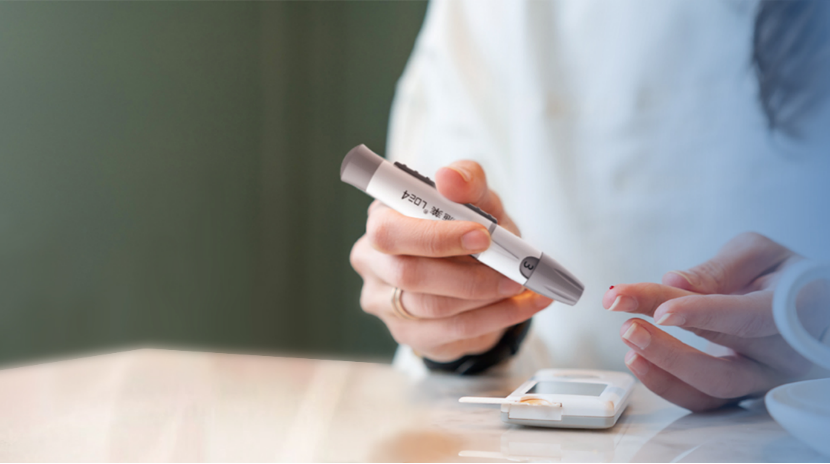
Advanced Clinical Safety Lancets And Device Features
Selecting engineered sharps protection involves reviewing specific hardware capabilities. Evaluating these leading safety lancets demonstrates how single use designs and permanent needle shielding contribute to reliable institutional infection control frameworks.
Integrating Safety Designs Into Diagnostic Routines
Modern medical facilities require highly reliable sampling devices that restrict accidental needle exposure. Sterilance provides specialized safety lancets featuring safely enclosed needles before and after activation. The models utilize pressure activated mechanisms, meaning the needle permanently retracts post puncture. These systems render the device inoperable after one use, helping reduce cross-infection risks. For bulk procurement, clinical buyers can formalize contracts with to secure uninterrupted availability. Implementing these structural upgrades across hospital departments supports comprehensive protection for every staff member handling diagnostics. Transition your facility to safer diagnostic protocols by updating your inventory standards and exploring specialized safety engineered solutions designed for demanding clinical environments today.
Disclaimer: This content is provided for general health education and informational purposes only. It does not constitute medical advice, diagnosis, or treatment. Individual health conditions vary, and no health education article can replace a face-to-face consultation with a qualified healthcare professional or licensed medical institution. If you have specific health concerns or feel unwell, please seek care from a licensed medical facility and do not delay treatment because of content on this platform.