

 EN
EN 

















Finger-prick blood glucose testing remains an important method for many people managing diabetes because it provides a practical way to check blood sugar levels with a small capillary blood sample. The process depends on several connected components, including lancets and lancing devices. Understanding how these tools work together helps users select suitable products and improve their daily testing experience.
We are SteriLance, a medical device manufacturer specializing in sterile disposable solutions for blood sampling and diabetes care. Our product portfolio includes safety lancets, lancets, lancing devices, and other diabetes care products designed to support reliable testing procedures. Learn more about our solutions and contact our team to explore suitable options for your healthcare needs.
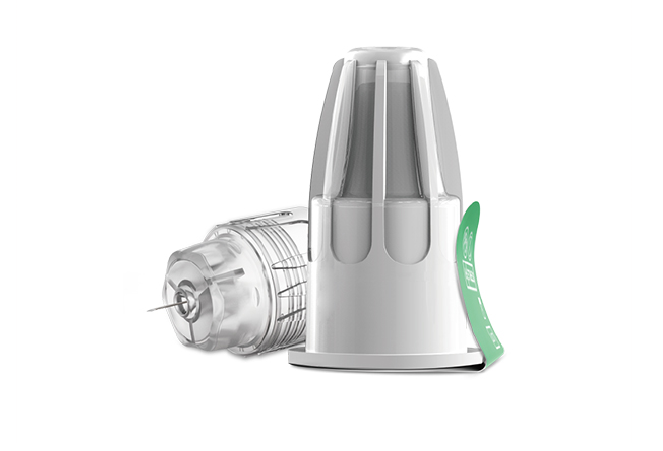
For many users, diabetic testing supplies are an essential part of everyday health management. However, questions often remain about how lancets and lancing devices function together, what differences exist between product types, and how to choose the right combination. Understanding these details can make blood glucose monitoring more comfortable and efficient.
How Diabetic Testing Supplies Support Blood Glucose Monitoring
A finger-prick blood glucose test begins with preparing a clean fingertip and using a lancet to create a small puncture. The resulting blood drop is then collected and analyzed with a glucose meter. The lancet provides the sharp point needed for sampling, while the lancing device controls how the lancet moves through the skin.
We design lancets as sterile, disposable components compatible with matching lancing devices. They are offered in various designs and specifications to accommodate different user preferences. The choice of lancet may influence factors such as sampling comfort, blood volume, and overall testing experience.
A lancing device acts as the mechanism that holds and releases the lancet. Many devices allow users to adjust penetration depth according to their skin characteristics and testing needs. This adjustment can help users obtain an adequate sample while avoiding unnecessary discomfort.
The combination of a suitable lancet and an appropriate lancing device is important because these two components are designed to work as a system. A compatible setup helps create a more controlled puncture process and supports consistent blood collection during regular monitoring.
The Relationship Between Lancets and Lancing Devices
Lancets and lancing devices perform different but connected roles. The lancet is the sampling element, while the lancing device provides controlled activation. When the device is triggered, it drives the lancet forward and creates a quick puncture to obtain a capillary blood sample.
At SteriLance, we develop products that focus on the connection between safety, usability, and performance. Our sterile disposable blood lancets are designed to pair with reusable lancing devices, helping support convenient blood sampling procedures for diabetes care applications.
Safety features are another important consideration when selecting testing equipment. Safety lancets are designed with protective mechanisms that help reduce risks associated with handling used needles. Different activation methods, including pressure-activated and button-activated designs, are available for different healthcare scenarios.
For healthcare professionals, choosing reliable diabetic testing supplies can support efficient workflows in clinics and other medical environments. For home users, simple operation and comfortable testing procedures can make regular monitoring easier to maintain.
Choosing Suitable Lancets and Lancing Devices
When selecting a blood sampling system, users should consider several factors, including compatibility, ease of use, safety requirements, and personal testing habits. A lancing device should work properly with the selected lancet to ensure stable performance and predictable operation.
Needle depth adjustment is one feature that many users consider important. Different people have different skin thicknesses and sensitivity levels, so adjustable settings can provide more flexibility. A suitable depth may help users obtain the required sample while improving comfort.
Healthcare facilities may have additional requirements when choosing diabetic testing supplies. Safety mechanisms, standardized operation, and proper disposal procedures are especially important in environments where multiple professionals perform blood glucose testing. The Centers for Disease Control and Prevention also emphasizes safe practices during blood glucose monitoring and the appropriate use of fingerstick devices.
Product quality and manufacturing reliability also influence purchasing decisions. Working with an experienced medical device supplier can help organizations access consistent products and technical support. We at SteriLance provide various diabetes care solutions, including safety lancets, lancing devices, and related blood sampling products for different applications.
Improving the Finger-Prick Testing Experience
Proper preparation and correct device selection can improve the overall testing process. Users should follow product instructions, maintain clean testing practices, and replace disposable components according to recommended guidance.
The comfort of blood sampling depends on multiple factors, including lancet design, penetration depth, and individual technique. A well-matched system can help reduce uncertainty and create a smoother routine for people who test frequently.
Modern diabetes care continues to focus on improving convenience while maintaining safety. Advances in lancet and lancing device designs provide more options for healthcare providers, distributors, and patients seeking practical solutions.
Conclusion
Lancets and lancing devices work together as essential components of finger-prick blood glucose testing. The lancet creates the blood sample, while the lancing device provides controlled movement and handling. Understanding this relationship allows users to make informed choices when selecting testing equipment.
We believe that effective blood sampling solutions should balance safety, reliability, and user needs. By focusing on practical design and consistent quality, we continue supporting better diabetes care experiences for healthcare providers and individuals.
Choosing the right combination of products can make daily glucose monitoring more manageable. With appropriate equipment and proper testing practices, users can build a safer and more efficient approach to routine blood glucose checks.
Disclaimer: This content is provided for general health education and informational purposes only. It does not constitute medical advice, diagnosis, or treatment. Individual health conditions vary, and no health education article can replace a face-to-face consultation with a qualified healthcare professional or licensed medical institution. If you have specific health concerns or feel unwell, please seek care from a licensed medical facility and do not delay treatment because of content on this platform.