

 EN
EN 

















For people managing diabetes, we believe understanding the difference between injection devices and blood sampling tools is key to building a safe, effective daily care routine. While our pen needles and blood lancets are both skin-contact medical devices, we engineer them for entirely distinct purposes. We design pen needles for insulin administration and blood lancets for collecting tiny blood samples for glucose testing. By understanding how these devices work, we help users select the right products for every step of diabetes management.
At SteriLance, we develop professional medical device solutions designed to support safer healthcare practices, including products related to blood sampling and injection procedures. Our goal is to help healthcare providers, distributors, and users better understand the differences between medical devices and select suitable solutions. Explore our product information and contact our team to learn how our solutions can support improved diabetes care workflows.
Diabetic Needles and Blood Lancets Have Different Purposes
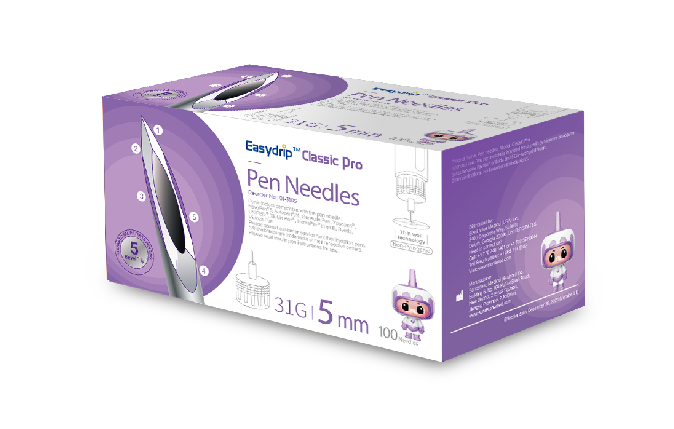
The biggest difference between diabetic needles and blood lancets is their intended function. We design diabetic pen needles to attach to insulin pens for insulin delivery via injection. They create a channel for insulin to enter the body in line with users' prescribed treatment plans.
We design blood lancets for capillary blood sampling. They are typically used with blood glucose monitoring systems to create a tiny puncture on the fingertip or other approved sampling sites. Their function is to draw a small blood sample for testing to assist users in monitoring glucose levels.
Since these devices fulfill different functions, we engineer them with distinct structures and performance requirements. Using the right device for its intended purpose is vital for safe diabetes management.
Design Differences Between Injection and Blood Sampling Devices
The design of diabetic needles focuses on supporting insulin delivery. These devices are typically designed with features that help provide a smooth injection experience while allowing insulin to pass through the needle into the subcutaneous tissue. The needle size, structure, and compatibility with insulin pens are important factors when selecting an appropriate product.
We design blood lancets to enable controlled blood sampling. They create a small skin puncture to collect blood while prioritizing user comfort and safe handling. Many of our modern lancet designs incorporate safety features to minimize accidental needle exposure after use.
At SteriLance, we recognize that different medical procedures require different device designs. Understanding these differences helps healthcare professionals and users choose products that match their specific application needs.
Why Diabetic Needles Cannot Replace Blood Lancets
A common question among people managing diabetes is whether one device can be used instead of another. The answer is no because diabetic needles and blood lancets are created for different medical procedures.
Diabetic needles are specifically designed for insulin injection. Their structure supports medication administration and connection with compatible insulin delivery systems. Blood lancets are not designed to deliver medication, and insulin pen needles are not designed as blood collection tools.
Using a device outside its intended purpose may affect safety, comfort, and performance. Medical devices are developed according to their specific applications, and following the recommended use instructions helps maintain a reliable healthcare routine.
Understanding the Role of Blood Sampling in Diabetes Care
Blood glucose monitoring is an important part of diabetes management for many individuals. Blood sampling devices help users collect samples needed for glucose testing, allowing them to track changes and discuss results with healthcare professionals.
The process requires a device that can provide consistent and controlled sampling performance. Safety lancets and related blood sampling products are designed to support this procedure by reducing unnecessary risks associated with handling sharp medical devices.
When choosing blood sampling products, users should consider factors such as ease of use, safety features, and suitability for their monitoring routine. Healthcare facilities may also evaluate product design and reliability when selecting supplies for patients.
Selecting the Right Medical Device for Each Need
Choosing between an injection device and a blood sampling device depends on the specific task being performed. If the goal is insulin administration, users need a compatible insulin pen needle designed for that purpose. If the goal is collecting a blood sample for glucose testing, a blood lancet is the appropriate choice.
When evaluating diabetic needles, healthcare organizations and individuals should focus on product quality, intended application, and proper usage practices. Selecting the correct device helps create a more organized and safer diabetes management process.
We at SteriLance support healthcare professionals and users by providing medical device solutions focused on safety, quality, and practical application needs. By improving awareness of device differences, we can help promote better decisions throughout healthcare environments.
Safety and Handling Considerations
Proper handling is important for both injection devices and blood sampling tools. Users should follow product instructions carefully, store unused devices appropriately, and dispose of used sharps according to applicable disposal practices.
Single-use design is an important consideration for many medical devices because it helps maintain product integrity before use. Reusing devices that are designed for single use may affect their intended performance and create unnecessary safety concerns.
Healthcare providers can also help users develop correct habits by explaining the differences between injection tools and blood sampling devices. Clear education allows patients to understand why each product has a specific role in diabetes care.
Conclusion: Choosing the Correct Device Supports Better Diabetes Management
Our diabetic pen needles and blood lancets may look alike as both contain small needle components, yet they serve entirely different purposes. We design pen needles for insulin delivery, while our blood lancets are made for capillary blood sampling to conduct tests.
Understanding the difference between these devices helps users avoid confusion and choose the right solution for each healthcare task. Proper product selection, correct handling, and following recommended usage practices all contribute to a safer diabetes management routine.
At SteriLance, we continue to focus on developing medical device solutions that support healthcare needs through reliable design and practical applications. By understanding the role of each device, healthcare providers and users can make more informed choices.
Disclaimer: This content is provided for general health education and informational purposes only. It does not constitute medical advice, diagnosis, or treatment. Individual health conditions vary, and no health education article can replace a face-to-face consultation with a qualified healthcare professional or licensed medical institution. If you have specific health concerns or feel unwell, please seek care from a licensed medical facility and do not delay treatment because of content on this platform.