

 EN
EN 

















Choosing the correct needle for an insulin injection pen is an important step for safe and comfortable diabetes care. Many users wonder whether any replacement needle can fit their injection device or whether compatibility depends on specific pen designs. Understanding how pen and needle connections work helps users avoid unsuitable choices and supports a smoother injection experience.
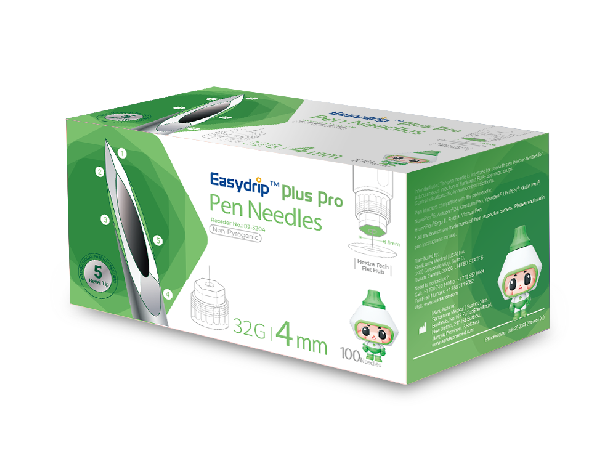
We at SteriLance focus on developing reliable diabetes care products, including pen needles designed for insulin delivery applications. Our goal is to help healthcare providers, distributors, and users better understand product selection and safe usage. Explore our pen needle solutions today to find options that meet different injection needs.
Understanding Insulin Pen Needle Compatibility
An insulin pen needle is designed to connect with an insulin pen through a specially engineered attachment system. Although many modern pen needles are made to fit a wide range of commonly used pens, compatibility should always be confirmed before use. Different manufacturers may design pens with variations in threading, connection structures, or usage instructions.
In most cases, users should check whether the needle attachment matches the pen model. A needle that screws on correctly, remains stable during injection, and allows normal insulin flow is more likely to provide proper performance. However, visual similarity alone does not guarantee compatibility.
Compatibility testing is an important part of medical device development because small differences in design can affect attachment, dose delivery, and user confidence. Research has evaluated pen needle compatibility across multiple injection pens and found that many needles can work with a broad range of devices, while formal verification remains essential.
How to Check Pen and Needle Fit Before Use
Before purchasing replacement needles, users should review the instructions provided with their insulin pen. The product label usually identifies compatible needle types, recommended sizes, and any special requirements. Checking this information is the simplest way to reduce the risk of selecting an unsuitable product.
The first step is confirming the connection type. Most standard pen needles attach by twisting onto the pen, creating a secure connection between the needle hub and the pen mechanism. Users should avoid forcing a needle onto a pen if the connection feels abnormal because improper fitting may affect the injection process.
The second step is reviewing needle specifications. Gauge and length are key factors when selecting a needle. A thinner needle may improve comfort, while different lengths may be selected based on individual injection requirements. Healthcare professionals can provide guidance when users are uncertain about the appropriate option.
The third step is checking product quality and packaging. Sterile packaging, clear labeling, and reliable manufacturing processes help ensure that the needle is suitable for medical use. Users should always use new, unused needles according to healthcare recommendations.
Common Questions About Needle and Pen Matching
A common question is whether all brands of replacement needles work with every insulin pen. The answer depends on the design standards used by both the pen and the needle. Many products are designed with broad compatibility, but some specialized systems may require specific needle models.
Another common concern is whether changing brands affects injection comfort. Comfort can depend on several factors, including needle sharpness, lubrication technology, needle thickness, and injection technique. A properly fitted needle with suitable design features can support a better daily experience.
At SteriLance, we develop pen needle products with attention to stability, user comfort, and practical application. Our Easydrip Plus Series uses Hextra Tech™ hub design to improve lateral stability during injection, while the enlarged skin-contact platform supports controlled penetration depth. These features are designed to help users achieve a more consistent injection process.
Factors to Consider When Selecting Replacement Needles
When selecting replacement needles, users should consider more than just whether the product physically connects to the pen. The ideal choice should also match personal injection preferences, healthcare guidance, and product quality expectations.
Needle length is one important consideration. We find shorter needles are widely preferred for most injection procedures as they can deliver a more comfortable injection experience. Needle gauge is another factor, as higher gauge numbers generally indicate thinner needles. These specifications should be considered together rather than evaluated separately.
Safety features may also be important, especially in professional healthcare environments. Safety pen needles can include protective designs intended to reduce accidental needlestick risks and simplify handling procedures after injection. We at SteriLance provide safety pen needle options designed to support safer workflows for healthcare users and patients.
Storage and handling practices should not be overlooked. Even a compatible needle may not perform properly if packaging is damaged or the product is reused. Following manufacturer instructions helps maintain product integrity and supports safe injection habits.
Why Proper Fit Matters for Diabetes Care
Using a correctly matched needle and pen combination helps create a reliable injection routine. A poor fit may lead to difficulties attaching the needle, unexpected movement during use, or concerns about whether medication delivery is completed correctly.
For people who perform daily injections, consistency is especially valuable. A comfortable and dependable setup can make routine care easier and reduce unnecessary concerns during treatment.
We at SteriLance continue improving diabetes care solutions by focusing on practical designs that address real user needs. Selecting the right needle is not only about physical compatibility but also about supporting confidence, safety, and better daily management.
Making the Right Choice for Pen and Needle Compatibility
Not every replacement needle should automatically be assumed compatible with every insulin pen. Users should confirm connection standards, review product information, and consult healthcare professionals when uncertain. A careful selection process helps ensure that the chosen needle works effectively with the intended device.
Understanding compatibility gives users greater confidence when managing daily injections. By choosing well-designed products and following proper usage instructions, patients and healthcare providers can support a safer and more comfortable injection experience.
Disclaimer: This content is provided for general health education and informational purposes only. It does not constitute medical advice, diagnosis, or treatment. Individual health conditions vary, and no health education article can replace a face-to-face consultation with a qualified healthcare professional or licensed medical institution. If you have specific health concerns or feel unwell, please seek care from a licensed medical facility and do not delay treatment because of content on this platform.